Ceramic Coating Cost in 2026 varies based on vehicle size, paint condition, coating durability, and preparation quality. This guide breaks down real pricing, compares ceramic vs wax and PPF wrap, and explains what long-term value you should expect before booking a professional service.
Vehicle owners in 2026 care about long-term protection, not just temporary shine. Paint correction, advanced polymers, and surface chemistry have changed how people protect their cars. As a result, the Ceramic Coating Cost becomes a common question before booking any detailing service. If you are new to professional vehicle care, start with our guide on What Is Car Detailing? to understand how coating fits into the full detailing process.
This article explains real pricing factors, durability expectations, and long-term value. Additionally, it compares ceramic coating with wax, ppf wrap, and other protection methods. If you wonder is ceramic coating worth it, this guide gives clear answers.
What Is Ceramic Coating?
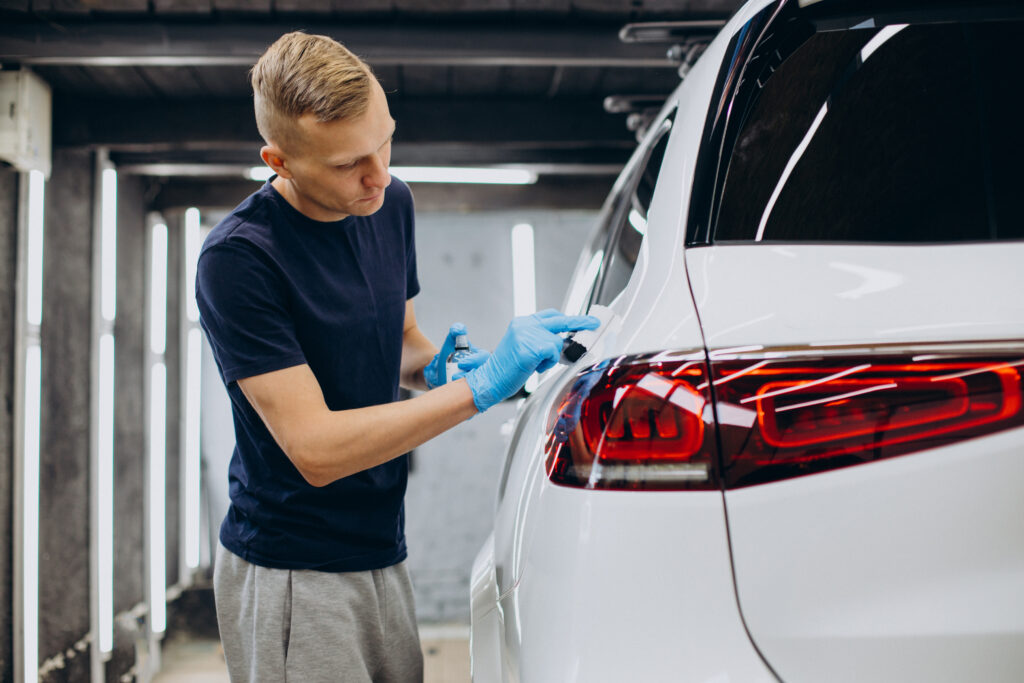
Ceramic coating is a liquid polymer that bonds chemically with a vehicle’s clear coat. It forms a semi-permanent protective layer. Furthermore, it does not sit loosely on the surface like wax. Instead, it integrates with the paint at a molecular level.
Many people ask, ” What does ceramic coating do? It creates a hydrophobic barrier. Additionally, it repels water, dirt, and light contaminants. The coating also enhances gloss and depth. It resists UV damage and oxidation.
However, ceramic coating does not make a car scratch-proof. It reduces minor swirl formation but cannot stop deep rock chips. Therefore, understanding its purpose matters. It protects and preserves. It does not replace structural protection like PPF.
What Are Its Benefits?
Ceramic coating delivers long-term surface protection and consistent visual appeal. Key benefits include:
- Long-Term Surface Protection – Forms a durable layer that shields paint from environmental exposure.
- Simplified Cleaning – Water, dirt, and debris slide off more easily, reducing wash effort.
- Reduced Brake Dust & Road Grime Buildup – Limits how aggressively contaminants bond to the surface.
- UV Protection & Oxidation Resistance – Slows paint fading and protects against sun damage, especially in hot climates.
- Preserved Paint Clarity – Maintains depth and gloss for an extended period.
- Chemical Resistance – Protects against bird droppings, tree sap, and mild acidic contaminants when cleaned promptly.
- Long-Lasting Shine – Retains gloss for years rather than weeks.
- Lower Maintenance Frequency – Reduces the need for frequent polishing or paint correction.
Many drivers ask “is ceramic coating worth it”. The answer depends on expectations. If you want easier maintenance and sustained shine, it provides strong value. However, if you expect impact or chip resistance, paint protection film (PPF) remains the more suitable solution.
Types of Ceramic Coating
Ceramic coatings vary by formulation and longevity. Entry-level coatings last one to two years. Professional-grade coatings last five years or more. Additionally, some premium systems advertise seven to ten years with proper maintenance.
There are consumer-level products for diy ceramic coating. These are easier to apply. However, they require careful surface prep. Improper application causes streaks and high spots.
Professional coatings use a higher SiO2 concentration. Furthermore, technicians perform paint correction before application. That preparation increases durability and gloss.
Some coatings focus on gloss enhancement. Others emphasize durability. Therefore, price reflects formulation quality and preparation effort. Understanding these categories helps evaluate the real ceramic coating cost.
Ceramic Coating Cost Table (2026 Average)
| Service Type | Small Car | Sedan/SUV | Large SUV/Truck |
| 1-Year Coating | $600–$900 | $800–$1,200 | $1,000–$1,400 |
| 3–5 Year Coating | $1,200–$1,800 | $1,500–$2,200 | $2,000–$2,800 |
| Premium 7+ Year | $2,000–$2,800 | $2,500–$3,500 | $3,000–$4,500 |
Prices include surface preparation and paint correction. Furthermore, complexity and location influence rates.
What Determines Ceramic Coating Price
Several factors influence ceramic coating cost. First, vehicle condition matters. If the paint shows heavy swirl marks, technicians perform multi-stage correction before coating application. That increases labor hours. If you want a detailed breakdown of polishing stages, tools, and pricing, read our expert guide on car paint correction guide.
Additionally, vehicle size impacts pricing. Larger SUVs require more product and time. Therefore, shops charge more.
Location also influences cost. Urban detailing studios often charge higher rates due to overhead. Furthermore, brand reputation affects pricing. Certified installers of premium brands command higher fees.
Lastly, warranty length matters. Longer warranties often include annual inspections. Therefore, service packages add to the total price.
Car Ceramic Coating Cost by Vehicle Type
Compact cars cost less to coat because they use less product and require fewer labor hours. Sedans and mid-size SUVs fall into moderate pricing tiers. Additionally, large trucks and three-row SUVs demand more preparation time due to their extended surface area. Luxury vehicles often require advanced paint correction.
Furthermore, softer paint systems need careful polishing to avoid damage, which increases labor cost. Sports cars may cost more because intricate curves and tight panels require detailed application. Therefore, pricing reflects surface complexity rather than size alone. Understanding these variables helps set realistic expectations when reviewing ceramic coating cost estimates.
Glass Coating Price Explained
Glass coating is separate from paint protection and focuses specifically on windshields and windows. It enhances visibility and surface performance rather than protecting paint.
Key points include:
- Hydrophobic Protection – Creates a water-repelling layer that allows rain to bead and slide off quickly.
- Prevents Water Spotting – Reduces mineral buildup and staining on glass surfaces.
- Improved Visibility in Rain – Enhances driving clarity during heavy rainfall by clearing water faster.
- Reduced Wiper Friction – Minimizes drag on the windshield, resulting in smoother operation.
- Enhanced Driving Safety – Improves reaction time in wet conditions due to clearer sightlines.
- Targeted Application – Designed specifically for glass surfaces, not paint.
Car glass coating typically costs $150–$300 for a single windshield. A full vehicle glass coating may range from $300–$600. Furthermore, durability usually lasts one to three years, depending on product quality and maintenance routine.
However, glass coating does not provide impact resistance. It should not replace windshield protection film. Instead, treat it as a visibility and performance enhancement solution.
Cost Per Year Analysis
Long-term value matters more than the initial price tag. A $2,000 ceramic coating lasting five years equals roughly $400 per year. Furthermore, reduced washing frequency saves time and lowers routine maintenance expenses. Compare that to car wax. If waxing cost $200 every three months, the yearly expense reaches about $800.
Additionally, waxing requires repeated labor and consistent scheduling. Over several years, that expense has accumulated quickly. Therefore, annualized cost often favors ceramic coating for long-term owners who keep their vehicles. However, short-term ownership or lease returns may not justify the higher upfront investment.
Ceramic vs Wax Cost Comparison
Wax offers a lower upfront cost and remains accessible for most vehicle owners. Typical car wax cost range from $150–$300 per application. However, durability lasts only a few weeks or a couple of months. Frequent reapplication increases long-term expense. Ceramic coating requires a higher initial investment.
Yet, it lasts several years with proper maintenance. Furthermore, it resists heat, UV exposure, and chemicals more effectively than wax. Wax enhances gloss temporarily, but protection fades quickly. Ceramic coating maintains gloss and hydrophobic performance consistently.
Therefore, long-term owners often choose ceramic solutions for durability and reduced maintenance effort.
PPF vs Ceramic Coating Cost Comparison
The ppf vs ceramic coating debate remains common among vehicle owners evaluating protection, performance, and cost. Understanding the difference between ppf vs ceramic coating helps clarify which solution aligns with your expectations.
Side-by-Side Comparison: PPF vs Ceramic Coating
| Feature | PPF (Paint Protection Film) | Ceramic Coating |
| Primary Purpose | Physical impact protection | Surface protection & gloss enhancement |
| Rock Chip Resistance | Yes – absorbs debris impact | No |
| Scratch Resistance | Strong protection against chips & deeper scratches | Light swirl resistance only |
| Self-Healing | Yes – heat removes minor swirl marks (modern films) | No |
| Hydrophobic Effect | Moderate (improves further with coating) | Strong water beading & repellency |
| Gloss Enhancement | Available in gloss or matte finishes | Enhances paint depth & shine |
| Chemical Resistance | Moderate | Strong resistance to contaminants |
| Maintenance Benefit | Protects paint physically | Simplifies cleaning |
| Full Vehicle Cost | $5,000–$8,000 | Significantly lower than PPF |
| Best For | High-impact zones & long-term durability | Easier upkeep & sustained shine |
When comparing ppf vs ceramic coating, cost plays a major role. A full-body PPF wrap typically ranges from $5,000–$8,000, depending on vehicle size and film quality. In contrast, ceramic coating costs considerably less while focusing on gloss, UV resistance, and hydrophobic performance.
In the ppf vs ceramic coating discussion, many owners choose a combined strategy. They apply PPF wrap on high-impact areas such as bumpers, hoods, and side mirrors. Then, they layer ceramic coating over both the film and exposed paint. This approach maximizes physical protection while enhancing shine and water repellency across the entire vehicle.
Hidden Costs of Cheap Coatings
Low-cost coatings often appear attractive upfront. However, the real expense frequently shows later.
- No Paint Correction Included – Many budget packages skip proper surface preparation. As a result, swirl marks and defects remain sealed under the coating.
- Faster Product Degradation – Lower-grade coatings break down sooner, reducing durability and gloss retention.
- Extra Prep Charges – Some shops advertise low base pricing but add fees for paint correction, decontamination, or panel preparation.
- Hidden Warranty Conditions – Warranty terms may require strict maintenance schedules or exclude common failure causes.
- Poor Installation Quality – Inexperienced application can cause streaking, high spots, and uneven curing.
- Premature Failure Costs – Removing a failed coating requires machine polishing, which adds labor and material expenses.
Therefore, verify the preparation process, installer experience, and product brand before booking. Proper prep and quality materials determine long-term value.
How Long It Actually Lasts (Realistic)
Real-world durability depends on maintenance. A five-year coating may last three to five years with proper care. Furthermore, harsh climates reduce lifespan.
Frequent automatic car washes degrade coatings faster. Additionally, neglect shortens effectiveness.
Proper maintenance includes gentle washing and periodic inspection. Therefore, realistic expectations prevent disappointment. Ceramic coating protects but still requires care.
DIY vs Professional Ceramic coating cost comparison
Diy ceramic coating kits cost $80–$200. However, they require polishing equipment and preparation products. Additionally, mistakes cause uneven curing.
Professional installation includes paint correction and a controlled curing environment. Therefore, results appear more consistent and durable.
DIY saves money upfront. However, long-term durability may differ. Consider skill level and time commitment before choosing this route.
FAQs
Professional services typically range from $1,200 to $3,500, depending on vehicle size, paint condition, and coating durability selected.
Yes. When professionals apply it correctly, ceramic coating remains safe for factory paint and original clear coat surfaces.
Professional services typically range from $1,200 to $3,500, depending on vehicle size, paint condition, and coating durability selected.
Professional-grade coatings usually last three to seven years, depending on maintenance habits, climate conditions, and washing methods.
Yes, you can apply wax over ceramic coating, but it remains unnecessary for protection or hydrophobic performance.
Wash regularly using pH-neutral shampoo, avoid automatic brushes, and schedule periodic inspections to maintain coating performance.
Yes. You can apply ceramic coating over vinyl or ppf wrap to improve water repellency and surface durability.
It reduces minor swirl marks and light abrasions, but it does not prevent deep scratches or rock chips.
For long-term durability, chemical resistance, and easier maintenance, ceramic coating generally outperforms traditional wax protection.
No. PPF protects against physical impact, while ceramic coating focuses on surface protection and gloss enhancement.
Glass coating improves visibility and reduces water spotting, but it remains optional depending on driving conditions.
Conclusion
Ceramic Coating Cost in 2026 depends on preparation quality, coating formulation, installer expertise, and vehicle size. Furthermore, professional paint correction significantly influences the final price. A well-prepared surface allows the coating to bond properly and deliver consistent performance. When maintained correctly, ceramic coating protects paint from oxidation, UV exposure, and environmental contaminants. Additionally, it enhances gloss and makes routine washing easier for years.
However, it is not a universal solution for every driver. Ceramic coating does not prevent rock chips or deep scratches. Therefore, some owners choose ppf wrap for high-impact areas. Others compare long-term value against traditional wax options. Additionally, evaluating the cost per year provides clearer insight than focusing only on the initial investment. Understanding what ceramic coating does, and what it cannot do, helps set realistic expectations. Ultimately, the right protection strategy should align with driving habits, ownership duration, and environmental conditions.
If you are looking for professional ceramic coating services, choose a detailing studio that prioritizes proper surface preparation, certified products, and transparent pricing. Request a paint inspection, ask about correction stages, and review warranty terms before booking. A qualified installer ensures the coating delivers the durability, gloss, and long-term value you expect.